[O]urs must be a community where all members can speak their mind and where they engage in civil and respectful dialogue, even on — indeed, especially on — difficult topics.
President Christopher L. Eisgruber
From the President's State of the University letter, January 2025

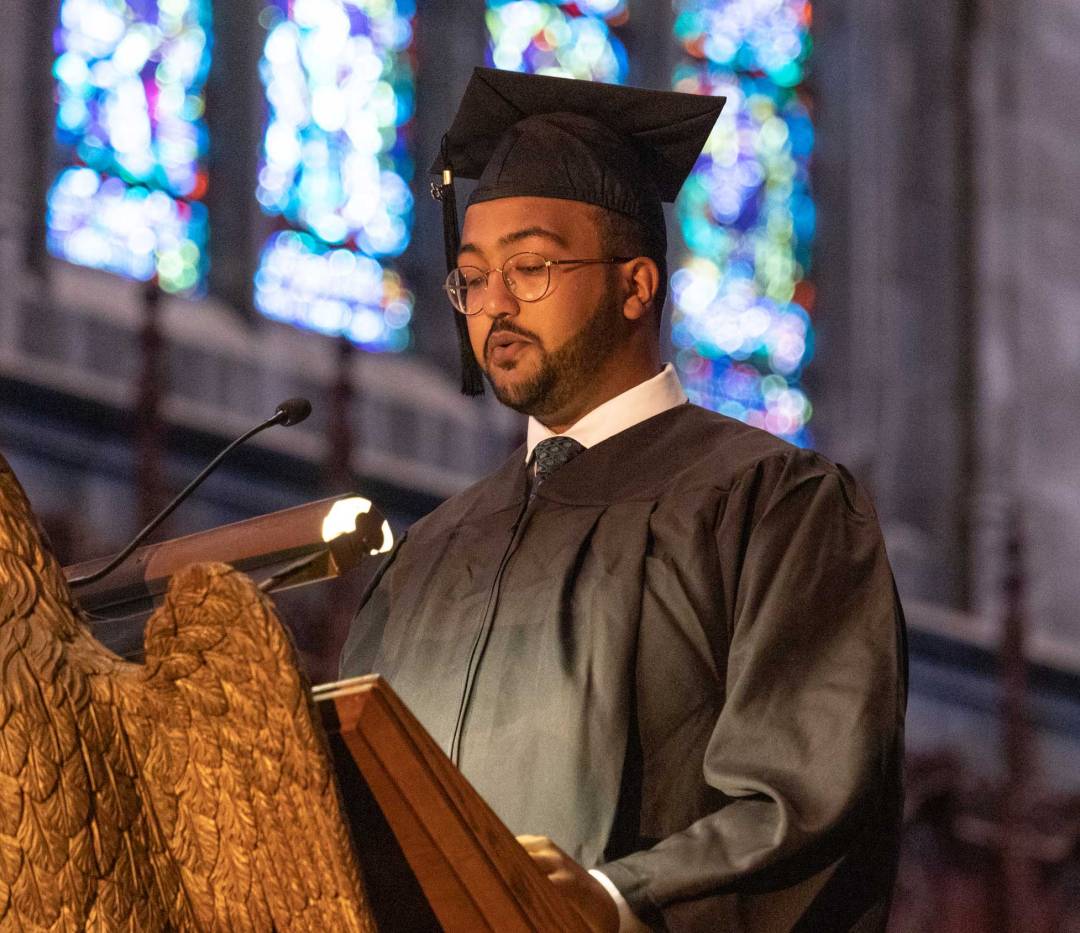
Fostering Free Expression
- Princeton’s research and teaching mission rests on a bedrock commitment to free expression, where thoughtful people of all backgrounds may voice their opinions civilly in classrooms, auditoriums, faith-based centers, residential colleges and other campus spaces.
- University policies lay out Princeton’s expansive commitment to freedom of expression, and its limits. These guidelines support strong free speech protections alongside commitments to student safety and inclusivity.
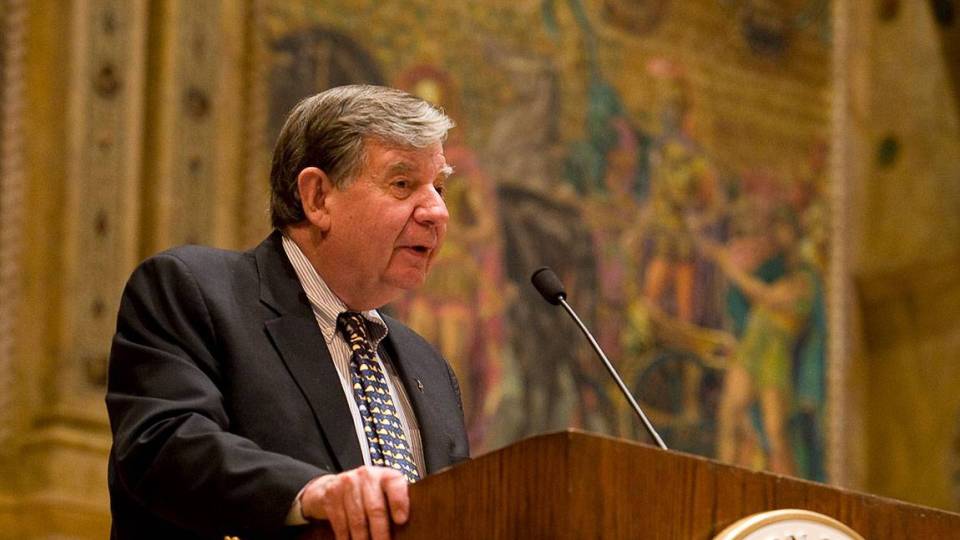
- First-year and incoming transfer students attend an annual Orientation program on free expression led by President Christopher L. Eisgruber and Vice President for Campus Life W. Rochelle Calhoun.
- President Eisgruber is engaging in conversations with students in fall 2025 about academic freedom and free expression — both topics of his book "Terms of Respect: How Colleges Get Free Speech Right."

Academic Freedom -- Statement on Freedom of Expression
Because the University is committed to free and open inquiry in all matters, it guarantees all members of the University community the broadest possible latitude to speak, write, listen, challenge, and learn. Except insofar as limitations on that freedom are necessary to the functioning of the University, Princeton University fully respects and supports the freedom of all members of the University community ‘to discuss any problem that presents itself.
Statement on Freedom of Expression
Leadership Communications
President Christopher L. Eisgruber’s Opening Exercises remarks, Aug. 31, 2025
President Eisgruber discusses the importance of academic freedom on “The Daily” podcast, April 9, 2025
President Eisgruber discusses threats to academic freedom on PBS “News Hour,” March 21, 2025
President's annual State of the University letter, on “Restrained Institutional Speech — But Not Silence — and Expanded Transparency,” Jan. 29, 2025
Academic Freedom and Free Expression Orientation Session, remarks by President Eisgruber, Aug. 27, 2024
President's annual State of the University letter: “Excellence, Inclusivity, and Free Speech,” Jan. 18, 2024
“Let Your Voices Rise,” Commencement address by President Eisgruber, May 30, 2023
“Princeton’s Tradition of Institutional Restraint,” President Eisgruber’s page in the Princeton Alumni Weekly, Nov. 7, 2022
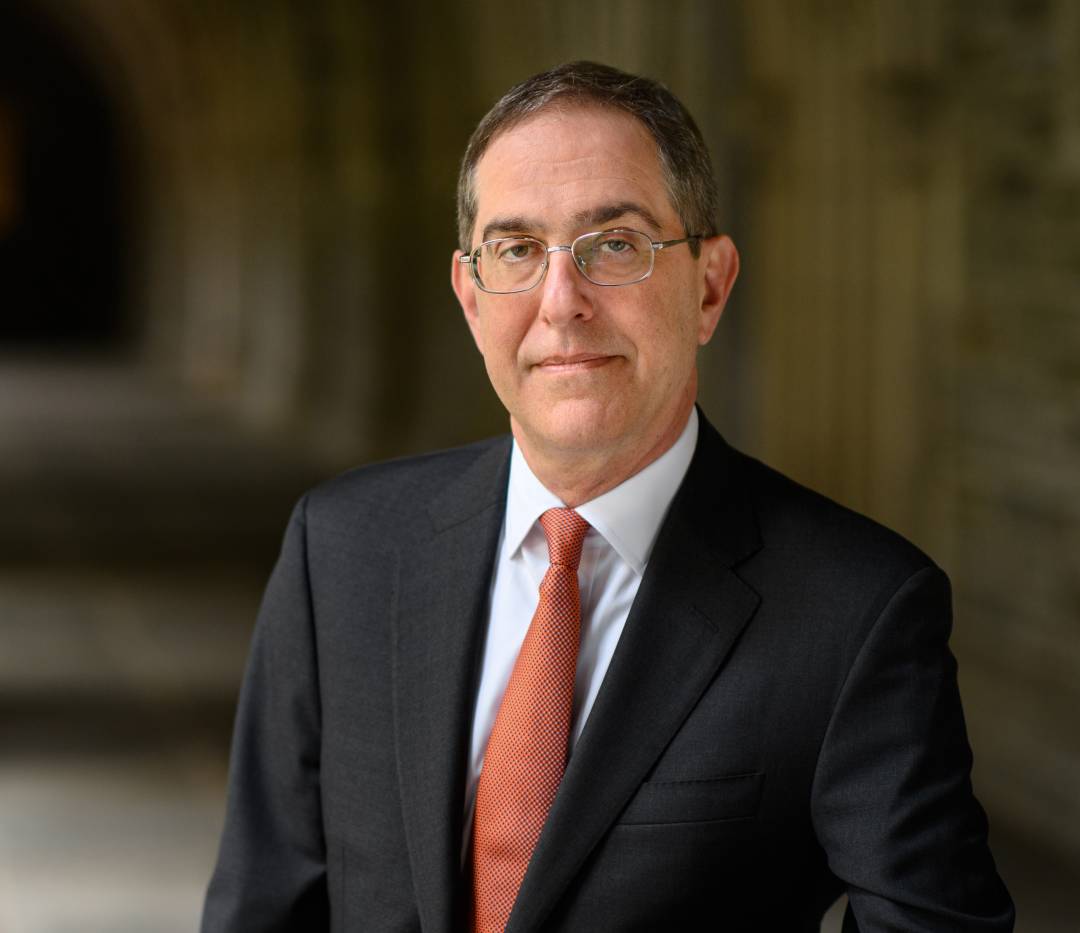
Contested Civility quote
The freedoms to pursue curiosity-driven questions, dream big, speak boldly, and blunder occasionally are all essential to the civic mission of American colleges and universities.
“Terms of Respect: How Colleges Get Free Speech Right,” by Christopher L. Eisgruber (published September 2025)


Policies & Guidelines
Statement on Freedom of Expression, from the University’s Rights, Rules, Responsibilities 1.1.3
Protests and Free Expression website, compiling policies, guidelines and FAQs.
Guidance on protests and free expression, from the Office of the Dean of Undergraduate Students
Addressing concerns on freedom of expression, from the Office of Institutional Equity and Diversity
Council of the Princeton University Community charter, Chapter 8, on freedom of inquiry, expression, publication and association
I agree strongly with Justice Brandeis — and I do regard the educational and constitutional traditions as wedded here — that the remedy for bad speech is more speech.
President Eisgruber
From an interview in The Atlantic, October 2021